
If you’ve been diagnosed with HIV, treatment should begin as soon as possible.
That might sound urgent, but it’s very manageable. Starting treatment right away is much more straightforward than most people expect. There are clear steps, highly effective medications, and support available to help you move forward.
In many cases, people are able to start treatment the same day or within a few days of diagnosis.
The goal is simple: get you into care quickly so you can protect your health, reduce uncertainty, and feel more in control of what comes next.
It’s also worth knowing early: people who start treatment and take it consistently can live long, healthy lives.

When should HIV treatment start?
HIV treatment should start as soon as you’re diagnosed, often within days, and sometimes even the same day.
“Starting treatment” means beginning antiretroviral therapy, also called ART. These medications stop HIV from making copies of itself in your body. As a result, the amount of virus in your bloodstream drops, often quickly.
In many cases, providers don’t wait for every lab result before starting treatment. If HIV is confirmed, or if early HIV is strongly suspected based on testing and clinical assessment, a provider may recommend starting medication right away and adjusting later if needed.
For most people, the process looks like this:
- Confirmed diagnosis or strong clinical suspicion of HIV
- Quick connection to a provider
- Prescription for treatment
- Follow-up testing and monitoring
In many cases, providers now offer what’s called a rapid or same-day start. This means you may be able to begin treatment the same day you’re diagnosed, after a clinical assessment, even if some baseline lab results are still pending.
You also don’t need to worry about getting everything “perfect” before starting. HIV treatment is designed to be flexible. What matters most is beginning care. Your provider can make changes along the way if needed, but getting started early gives you a strong foundation.
For most people, there is no medical benefit to delaying treatment once HIV is diagnosed. Starting early gives your body the best chance to stay strong and respond well to treatment.
If you’re unsure whether you’re “ready,” it’s okay to feel that way. You don’t need to have everything figured out before starting. Starting treatment is the first step. Everything else can be worked through with support.
Why starting treatment early matters
Starting treatment early has a direct and lasting impact on your health.
One of the main goals is reaching viral suppression. That means the amount of HIV in your body becomes so low it can’t be detected on standard tests.
Reaching this point:
- Protects your immune system
- Reduces inflammation and long-term health risks
- Lowers the chance of HIV-related complications
- Supports overall wellbeing
There’s also a prevention benefit. When someone has an undetectable viral load and keeps it undetectable with treatment, they do not transmit HIV through sex. This is often described as undetectable equals untransmittable, or U=U.
Starting early also tends to make treatment simpler. Your immune system hasn’t had as much time to be affected, and your body is often better positioned to respond quickly to medication.
Another thing people don’t always realize is how much starting treatment can reduce stress. Waiting often increases anxiety. Taking action, even a small step like speaking to a provider, can help you feel more grounded.
The key point is this: early treatment sets you up for better outcomes across the board.
Without treatment, HIV continues to affect the immune system over time. This doesn’t always happen right away, which is why some people feel fine at first. But changes can still be happening in the background. Starting treatment early helps prevent that before it becomes a problem.
It also supports your day-to-day life. Many people on treatment continue working, dating, traveling, and maintaining their routines. Once treatment becomes part of your routine, it often fades into the background of daily life.
What happens after an HIV diagnosis (timeline)
If you’ve just been diagnosed, the uncertainty around what happens next can feel overwhelming. The process is usually more structured and faster than people expect.
Here’s what a typical timeline looks like:
Initial test
You may have taken a rapid test, an at-home test, or had bloodwork done through a clinic or lab. A positive result is the starting point, but it’s usually followed by confirmation.
Confirmatory testing
A second test confirms the diagnosis. This can happen the same day or within a few days. In some settings, providers will already begin planning treatment while confirmation is underway.
First provider interaction
You’ll connect with a healthcare provider, either in person or online.
During this step, they may:
- Review your results
- Ask about your medical history
- Explain how treatment works
- Answer your immediate questions
- Order baseline labs, such as viral load, CD4 count, medication-resistance testing, and checks for other infections or health factors that can affect treatment choice.
For many people, this first conversation feels more manageable than expected. Providers are used to working with people who are newly diagnosed, and their goal is to help you understand what’s happening without overwhelming you. You don’t need to have the right questions prepared; just showing up is enough.
Starting medication
Many people start treatment quickly, sometimes the same day, sometimes within a few days.
Even if additional lab results are still pending, providers often don’t delay starting medication. Adjustments can be made later if needed.
You’ll usually receive:
- A prescription
- Instructions on how to take your medication
- Information on possible side effects
Many modern HIV medications are well tolerated, and side effects, if they happen, are often mild and temporary.
When you start medication, you’ll usually take your first dose that same day or shortly after picking it up. Most people don’t feel immediate physical changes, but starting treatment often brings a sense of relief. It’s a clear step forward, and it means you’re already taking control of your health.
Early follow-up and monitoring
After starting treatment, you’ll have follow-up lab tests and check-ins.
These are used to:
- Confirm your viral load is decreasing
- Make sure the medication is working well for you
- Address any side effects or concerns
Your first follow-up lab results usually come back within a few weeks. These results show how your viral load is responding to treatment. Many people see a significant drop early on and reach an undetectable level within a few months, though for some people it can take longer.
The overall timeline can move quickly, and that’s a good thing. You’re not expected to manage it alone; providers guide you through each step.
How to start HIV treatment
There are two main ways people start HIV treatment today. Both can be effective, depending on your needs and access to care.
Option 1: In-person care
You can visit a primary care provider, a sexual health clinic, or an HIV specialist.
They’ll guide you through testing if needed, confirm your diagnosis, and prescribe medication.
This option works well, especially if:
- You already have a provider you trust
- You prefer face-to-face care
- You have easy access to a clinic
Some clinics offer same-day starts, which can speed things up.
That said, the process can involve:
- Scheduling appointments
- Visiting labs
- Waiting for prescriptions to be filled
Depending on where you live, wait times can vary. In some areas, getting an appointment quickly can be a challenge.
If you’re going this route, it can help to bring any test results you already have, along with ID and insurance information if applicable. Some clinics may also have intake steps or require referrals, which can add time depending on the setting. Knowing this ahead of time can help you plan and avoid delays.
Option 2: Starting treatment online
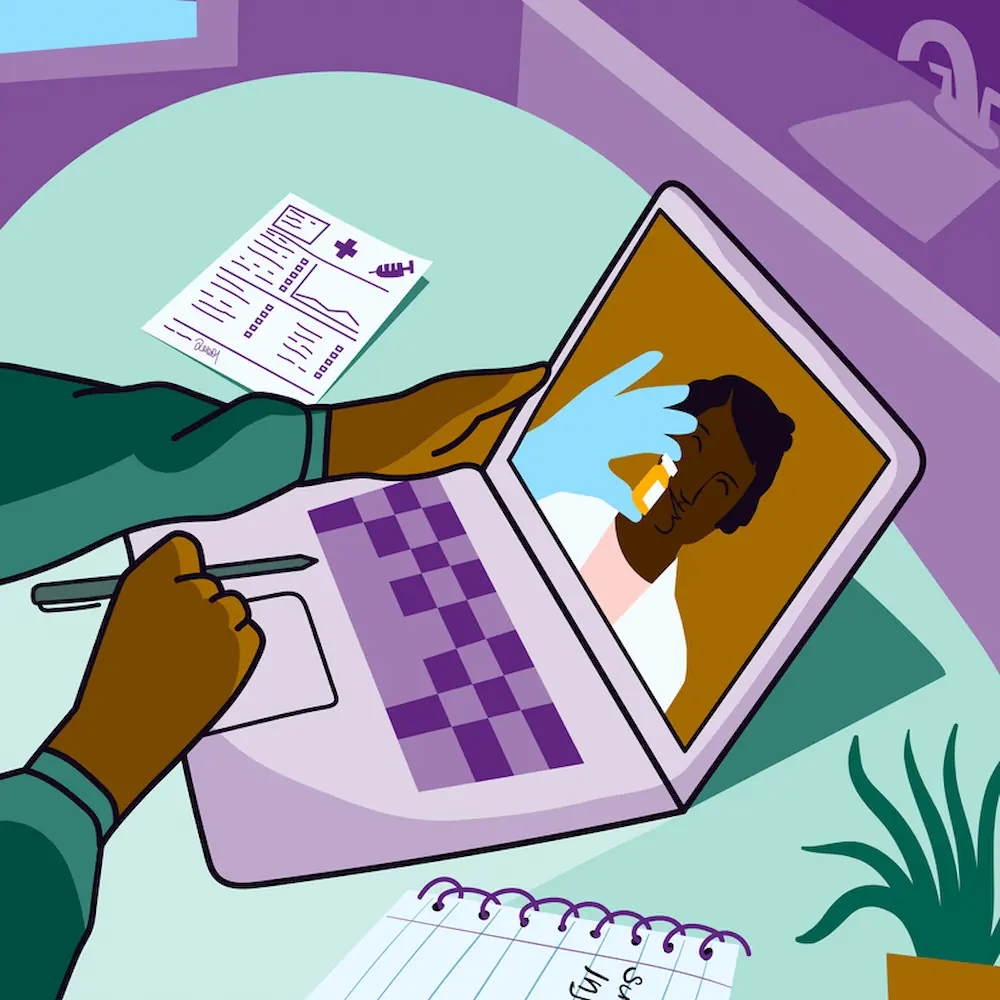
Virtual HIV care is increasingly available and can be a convenient option for some people.
Instead of going to a clinic, you connect with a licensed provider online. The process is designed to be convenient, private, and easier to access.
It typically includes:
- A virtual consultation
- Lab testing arranged through local labs or at-home kits
- A prescription once results are reviewed
- Medication delivered to your home or available at a pharmacy
Some services, like Freddie, offer virtual HIV care, allowing you to connect with a licensed provider, complete any required testing, and start treatment without needing to visit a clinic in person.

This can remove some of the barriers people face with in-person care, like scheduling conflicts, transportation, or privacy concerns.
For many people, virtual care can be a convenient way to start treatment. In more complex health situations, or if urgent in-person evaluation is needed, a clinician may recommend in-person care.
Timing can vary depending on the type of care and local availability.
Clinic timelines depend on availability. Online care may be faster in some cases, especially if local clinics have wait times or limited appointments.
For many people, online care can be one of the quicker ways to connect with a provider and begin the treatment process.
It can also feel easier to take that first step when you can do it from home.
The most important step is getting connected to care quickly, whether that’s through a local provider or an online service.
If cost is something you’re thinking about, understanding coverage can help reduce uncertainty. You can learn more here.
If you’re looking to start HIV treatment, Freddie offers virtual consults that can help you connect with care quickly and discreetly.
Can you delay HIV treatment?
Treatment isn’t something you should plan to delay.
Some people consider waiting because they feel overwhelmed, want more time to process, or aren’t sure where to start. That’s completely understandable, especially right after a diagnosis.
At the same time, starting treatment sooner tends to make things easier, not harder. It gives you a clear next step and helps reduce uncertainty, which can ease some of the stress that comes with waiting.
Even if you feel completely fine, HIV is still active in your body. Over time, it can weaken your immune system and increase the risk of health issues.
Waiting can also:
- Delay viral suppression
- Increase stress and uncertainty
- Make the process feel more overwhelming
Starting treatment early helps avoid these challenges.
There are rare situations where a provider might adjust timing based on other health conditions, but for most people, the recommendation is clear, start as soon as possible.
If you’re hesitating, that’s understandable. But taking that first step often brings relief. You move from uncertainty into action.
Common questions about starting HIV treatment
Can I start treatment right away?
In many cases, yes. Many people start within days of diagnosis, and some begin the same day after clinical assessment. It depends on your diagnosis, health needs, and how quickly you connect with a provider.
What if I don’t feel sick?
It’s very common not to feel sick with an early HIV diagnosis. HIV doesn’t always cause symptoms early on, but it can still affect your immune system. Treatment is recommended regardless of how you feel.
How quickly do HIV medications work?
HIV medications begin working quickly to lower the amount of virus in your body. Many people see a noticeable drop in viral load within weeks and reach an undetectable level within a few months, though timing varies.
Do I need a specialist?
No, not always. Many primary care providers and sexual health clinicians can manage HIV treatment, especially with support or referral pathways. An HIV specialist may be recommended if your situation is more complex.
Will I have to take medication forever?
HIV treatment is ongoing and works best when taken consistently. For many people, it becomes part of a routine.
Are there side effects?
Most modern HIV medications are well tolerated. Some people experience mild side effects at the beginning, but these often improve over time.
What if I’m overwhelmed?
That’s completely normal. You don’t need to figure everything out at once. The first step is simply connecting with care.
What happens after I decide to start treatment?
Once you decide to start, the next step is connecting with a provider. They’ll confirm your diagnosis if needed, prescribe medication, and guide you through the first few weeks of treatment. From there, follow-up lab tests track your progress and make sure everything is working as expected.
When it helps to talk to a provider
If you’re unsure about timing, treatment options, or what to expect, talking to a provider can make things much clearer.
They can:
- Explain your diagnosis in simple terms
- Help you understand your options
- Help you start treatment as soon as appropriate
- Answer questions as they come up
You don’t need to prepare or have everything figured out before reaching out. That’s part of their role.
Even one conversation with a Freddie clinician can help you feel more confident about your next step.
Still unsure? You don’t have to figure this out alone
Starting HIV treatment is one of the most important steps you can take after a diagnosis, but you don’t have to navigate it alone.
There’s a clear path forward, and support is available at every stage.
Getting started may feel like a big step, but in practice, it’s often simpler and faster than people expect. Once you begin, things tend to fall into place.
If you’ve recently been diagnosed, getting started with treatment as soon as possible can make a significant difference. Freddie offers virtual care options to help you begin treatment quickly and with support.