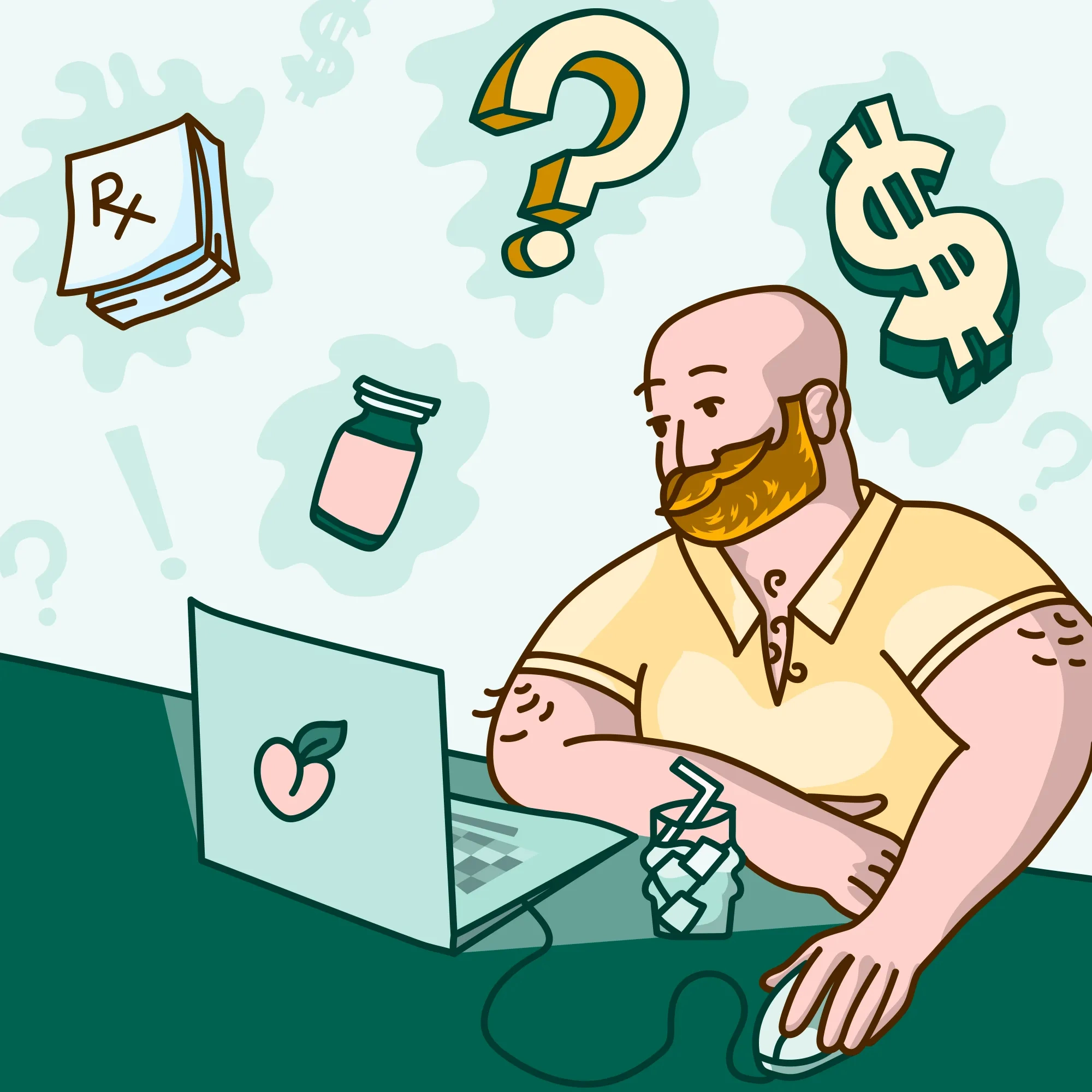

Deciding to start PrEP usually doesn't happen overnight. It’s the kind of decision people often think about for some time.
But once you have made the decision to get on PrEP, the logistics shouldn't be what holds you back.
So if you've been wondering how to actually get PrEP, you're in the right place.
Here’s what the process usually looks like, from your first conversation with a provider to getting your prescription.
Short answer: You can start PrEP online or through a clinic
You don't have to visit a specialist or navigate a long waitlist to get on PrEP. Many people start through one of three routes: an online provider, a primary care doctor, or a sexual health clinic. Whichever route you choose, the steps are usually the same: consultation with a licensed clinician, routine lab work, and a prescription. What differs is mostly convenience and privacy.
Who can get on PrEP?
PrEP is for people who are HIV-negative and may be exposed to HIV through sex or injection drug use. That includes:
- People having sex without condoms with partners whose HIV status is unknown, or with partners living with HIV who are not virally suppressed
- People with multiple partners, or a partner who has multiple partners
- Anyone recently diagnosed with an STI
- People who use condoms inconsistently and want a more reliable option
- People who share injection equipment
- Gay and bisexual men, straight men and women, and transgender or nonbinary people
If you're not sure whether you qualify, that's what the consultation is for. Your clinician will look at your sexual health history, current medications, and overall health to confirm whether PrEP is a good fit.
If you’re considering PrEP, it’s worth having the conversation. A clinician can confirm whether it’s appropriate based on your HIV status, health history, and potential exposure risk.
How to get started on PrEP
Here's how the process works, step by step.
Step 1: Complete an intake or talk to a provider
The first step is a conversation, virtual or in-person works just fine. Your provider will ask about:
- Your sexual health history: The kinds of sex you're having and with whom.
- Your goals: Why you're considering PrEP now.
- Your overall health: Current medications, kidney health, and any other relevant conditions.
- Your questions: There are no “dumb” or wrong ones when it comes to your health.
If you’re feeling hesitant about discussing personal details with a provider, keep in mind these questions exist to help your clinician confirm PrEP is safe and the right fit for you, not to judge your choices.
And remember, everything you share is entirely confidential and protected under standard medical privacy rules — so your care is handled under standardized medical privacy protections.
Step 2: Get required testing
Before your provider can prescribe PrEP, they’ll need to confirm you’re HIV-negative and may order a few standard tests. Here’s a breakdown of what those tests entail and why they matter:
Step 3: Receive your prescription
Once your clinician reviews your lab results and confirms PrEP is appropriate, they can issue a prescription — sometimes the same day results arrive.
Daily oral PrEP is one of the most common options in the U.S. Depending on your health profile and circumstances, your clinician may also discuss other PrEP options with you, including injectable PrEP.
They’ll explain how to take it, what to expect in the first few weeks, and when to come back for follow-up testing. For oral PrEP, follow-up is commonly every three months; injectable PrEP has a different visit schedule.
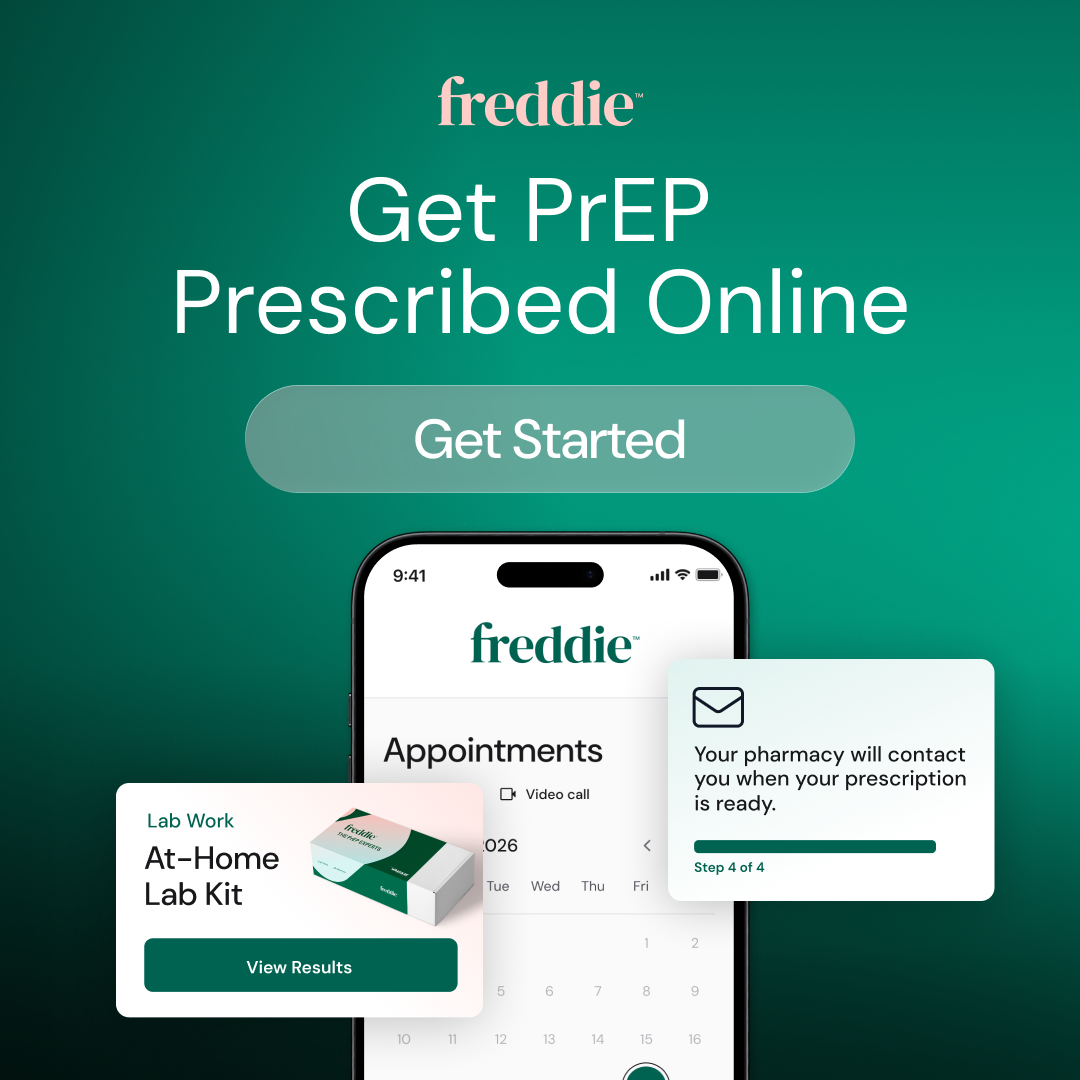
After that, you can pick up your medication at a pharmacy or have it delivered.
How long does it take to get on PrEP?
Many people can go from their first consultation to first dose in about a week, depending on lab timing, provider review, and pharmacy or delivery speed.
Online PrEP providers can be faster than traditional clinics because intake, lab ordering, and prescription review are often streamlined.
Timing still comes down to how quickly labs are done and how fast the medication is dispensed, but it’s often the quickest way to get started.
How much does it cost to get on PrEP?
If you have insurance, you may pay little or nothing for PrEP-related care, depending on your plan. Under the Affordable Care Act, PrEP must be covered without cost-sharing by almost all health insurance plans, including medication, clinic visits, and lab tests needed to maintain a prescription. And if any out-of-pocket costs do come up, Gilead Advancing Access and ViiVConnect offer co-pay assistance programs to bridge the gap.
No insurance? You still have options:
- Gilead's patient assistance program covers medication costs for eligible uninsured patients.
- Ryan White is a federally funded program that can cover clinical visits and labs.
- Many states also run their own PrEP assistance programs that fill in additional gaps.
Don't let cost fears stop you from asking. Most people find a path to affordable (or free) PrEP once they look into it.
Can you get PrEP online?
Yes, and it's one of the most common ways to get started. Online PrEP providers like Freddie let you complete your intake, get your labs done, and receive your prescription without ever setting foot in a clinic or pharmacy.
And yes, a licensed clinician is involved the whole time. Online just means it happens on your terms.
Common reasons people delay starting PrEP
Like any big decision, starting PrEP can come with some hesitation. But most people who end up on PrEP wish they'd started sooner. Here are a few assumptions that tend to get in the way — and why they don't have to hold you back.
- I'm embarrassed: Clinicians who work in sexual health see this every day. It's a routine part of their practice, not a reason to judge you. And if you'd rather skip the face-to-face entirely, online options exist for that very reason.
- I don't know where to start: You're already doing it! If you still have questions after reading this, a quick intake with a provider can answer the rest (and it costs nothing to start).
- I probably don't qualify: Eligibility is broader than most people think, and your clinician makes the call, not a checklist. So if you're uncertain, don’t assume — ask.
- I'm worried about cost: This is the most fixable concern. Between insurance coverage, manufacturer assistance programs, and federal and state initiatives, most people find a path to affordable (or free) PrEP.
- I'm not sure I really need it: If you're reading this guide, that's usually reason enough to have the conversation. PrEP is a preventive tool, and like most preventive tools, it works best when you start before you need it urgently.
How Freddie helps you get on PrEP quickly and privately
Getting PrEP through Freddie is designed to be simple. The whole experience is built on one idea: getting started shouldn’t be harder than it needs to be.
- Complete a quick intake from your phone or computer, no appointment needed.
- Get lab work done at home or a local collection site near you.
- Connect with a licensed clinician who reviews your results and handles your prescription.
- Get your medication at a pharmacy or delivered in discreet packaging straight to your front door.
Our team can also help with insurance questions and connect you to assistance programs if needed, so you have a clear sense of cost before you get started. Your care is handled confidentially between you, your care team, and the services involved in your care, such as labs or pharmacies.

Frequently asked questions
How do I get on PrEP?
Start with an online or in-person intake with a licensed provider. They'll send you for a few routine labs, and once your results clear, you'll get a prescription that you can either pick up or have delivered discreetly to your door. The entire process usually takes less than a week from start to finish.
Do I need a prescription for PrEP?
Yes. PrEP is a prescription medication, which means a licensed clinician needs to review your health history and lab results before you can start.
Can I get on PrEP online?
Yes. Online providers like Freddie let you complete the entire process remotely (intake, labs, and prescription) with a licensed clinician overseeing each step. For most people, it's the fastest and most private way to get started.
Do I need lab tests before starting PrEP?
Yes. At the very least you’ll need a negative HIV test before your PrEP prescription can be written. Your provider may also order kidney labs and STI screening as part of routine care. Either way, you can expect to get your results back within a few days.
How long does it take to get on PrEP?
Most people start within a week. The intake usually happens same-day, and the main variable is how quickly your lab results come back (typically a few days). Online providers tend to move faster than the traditional clinic route, though the exact timeline depends on the provider.
How much does it cost to get on PrEP?
The ACA requires most insurers to cover PrEP without cost-sharing, so most insured patients pay $0. If you're uninsured, programs like Gilead's patient assistance program and Ryan White can cover medication, labs, and clinical visits. Either way, most people find a path to affordable or free PrEP once they look into it.
Can I get PrEP without insurance?
Yes. Gilead's patient assistance program provides free medication to eligible uninsured patients, and Ryan White can cover clinical visits and labs. Many states also run their own PrEP assistance programs. Your provider can help you figure out what you qualify for.
Do I need to see a doctor for PrEP?
Yes, you need a licensed clinician, but not necessarily an in-person appointment. Telehealth providers can handle your consultation and prescription entirely online.
Who qualifies for PrEP?
HIV-negative adults with potential HIV exposure risk. Your clinician makes the individual determination, and most people who ask qualify.
Can I start PrEP the same week?
Often, yes. With an online provider, the intake is immediate and lab networks are pre-arranged, so the main variable is turnaround time on results. Many people go from first consult to prescription in under a week..
Is PrEP confidential?
Absolutely. Your care is protected under standard medical privacy rules, the same as any other healthcare service. No one besides you and your provider needs to know you're on it.
What happens at a PrEP consult?
Your provider will ask about your sexual health history, current medications, and health goals. It's a routine medical conversation, not an interrogation. Online intakes typically take about 10–15 minutes and can be done from your phone.
Ready to get started on PrEP?
Getting on PrEP is simpler and faster than most people expect. And whatever your situation, there's a path forward. No insurance, no family doctor, no idea where to start? Freddie's team is here to guide you through it, step-by-step.